Quantum Analysis Web Design: Boosting User Experience in 2026
As we navigate 2026, the digital landscape is more competitive than ever. Website success no longer hinges solely on aesthetics but on a profound understanding of user behavior. This knowledge must then be transformed into highly personalized experiences. This is precisely where the concept of Quantum Analysis Web Design enters the picture. At Solustiq, leveraging references like HagiaSophia.com and GalataTower.com, we are revolutionizing web design through artificial intelligence and data-driven methods. This post will explore how we integrate quantum analysis principles into our web design processes to elevate the user experience to its highest potential. AI-Powered Web Design & Development
The Intersection of Quantum Analysis and Web Design
Quantum analysis represents a modern methodology that extends beyond traditional analytical approaches. It adapts quantum mechanics concepts, such as uncertainty and superposition, to data analysis and predictive modeling. In web design, this method enables a deeper understanding of the complex, multi-dimensional nature of user behavior. While conventional A/B tests or statistical analyses validate specific hypotheses, quantum analysis meticulously models user intent, emotional responses, and even potential future actions as "probability waves."
This dynamic approach ensures that our websites are not only responsive to past data but also consider potential future scenarios. Solustiq shapes websites using these advanced technologies, moving beyond superficial metrics like page views or click-through rates for a truly comprehensive perspective. To understand more about our methodology, read about Comprehensive Web Application Development with Data-Driven AI in 2026.
Key Principles of Quantum Analysis Applied to Web Design
- Principle of Superposition: This principle suggests that various user states within a website, for instance, an intention to purchase versus seeking information, can coexist simultaneously. This allows for mapping multiple potential behavioral paths during a single visit.
- Uncertainty Principle: Instead of predicting exact user behavior, this principle focuses on calculating the probability of a specific action occurring. This approach fosters a more flexible and adaptive web design strategy.
- Entanglement: This highlights how different user behaviors and on-site elements are interconnected. An example includes the entanglement between the quality of an image on a product page and a user's purchase decision.
At Solustiq, our Quantum Analysis Web Design approach is built upon these foundational principles, enabling us to interpret users' digital footprints with unprecedented depth.
Solustiq's AI-Powered Quantum Analysis Web Design Approach
Solustiq integrates artificial intelligence (AI) and machine learning algorithms with quantum analysis principles to deliver unparalleled web design experiences. This fusion empowers our sites not only to react to data but also to predict user intent and proactively engage. In 2026, this integration is significantly expanding the boundaries of personalized user experiences. For more insights, explore our article on AI and the Human Touch in Creative Web Design 2026.
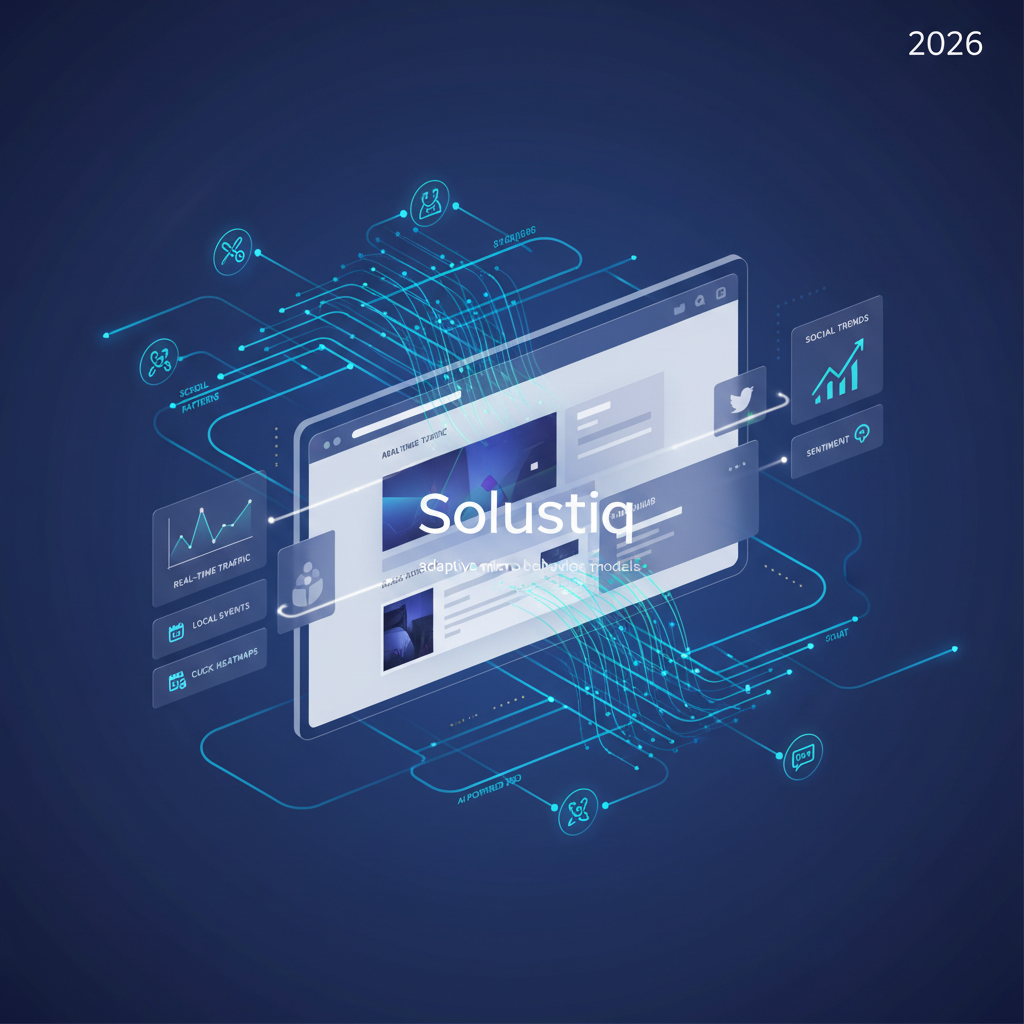
For example, AI models analyze user navigation paths, page transition times, and even micro-interactions (like mouse movements or scrolling rhythm). This analysis allows us to estimate a user's current mood or information urgency within the framework of "quantum probabilities." These predictions facilitate dynamic content changes, personalized recommendations, and even the reordering of interface elements specifically tailored for the individual user.
Crafting Personalization and Predictive User Experiences with Quantum Analysis
- Dynamic Content Adaptation: Content dynamically alters based on a user's interests and past behaviors. Quantum analysis extends this adaptation beyond past actions to include possible future interactions.
- Personalized Navigation: Customized menu structures and links direct each user to the most relevant content, ensuring they find the desired information quickly and efficiently.
- Proactive Support: This involves anticipating moments when a user might encounter an issue or require assistance, and automatically offering support or guidance. This represents an advanced level of foresight, made possible by Quantum Analysis Web Design.
Optimizing User Experience with Quantum Analysis
User experience (UX) is a critical pillar of website success. At Solustiq, we are introducing a new dimension to UX optimization through Quantum Analysis Web Design. While traditional UX research relies on methods such as surveys, usability tests, and heatmaps, quantum analysis allows us to delve into users' subconscious decisions and emotional responses.
A user's decision not to click a button might not merely stem from failing to locate it; it could also relate to their current mental state or their search for alternative information. Quantum analysis models these "invisible" factors, enabling us to create more intuitive and satisfying website interfaces and interaction points. This approach aligns with our strategies for Core Web Vitals and User-Centric SEO in 2026.
Understanding Beyond Standard Metrics in Quantum Analysis Web Design
- Micro-Interaction Analysis: This involves an in-depth analysis of mouse movements, touch responses, and scrolling speeds. Such data provides insight into a user's current mood and motivation while navigating the site.
- Emotional Response Prediction: AI algorithms model users' emotional responses to specific content or interactions. This is crucial for understanding factors influencing purchase decisions, particularly on e-commerce platforms.
- Modeling Future Behaviors: Utilizing quantum probabilities to predict a user's next steps and consequently optimize the site flow for seamless navigation.
Thanks to these comprehensive analyses, we can offer visitors to sites like HagiaSophia.com and GalataTower.com experiences that are not only visually appealing but also emotionally and mentally engaging.
Quantum Analysis Web Design Trends in 2026 and Beyond
The year 2026 marks a period where digital personalization reaches its apex. Users are increasingly seeking unique experiences that surpass their expectations, moving beyond generic websites. Quantum Analysis Web Design is the key to fulfilling these elevated expectations.
In the coming years, this technology will become accessible not just to large e-commerce sites or corporate portals but also to small and medium-sized enterprises (SMEs). Solustiq is at the forefront of this evolution, assisting businesses of all sizes in strengthening their digital presence with quantum analysis. With the growing integration of augmented reality (AR) and virtual reality (VR), quantum analysis will become even more indispensable for analyzing and personalizing user behavior within these multi-dimensional environments. For broader digital strategy insights, see how we achieve Global Growth in 2026 with AI-Powered SEO.
The Future of Web Design: AI and Quantum Integration
- Fully Adaptive Interfaces: Interfaces that automatically adjust based on the user's mood, device, location, and even local weather conditions.
- Predictive SEO: Moving beyond simple keyword optimization to optimize content strategies by predicting user intent and on-site interactions through quantum analysis.
- Quantum Protection in Cybersecurity: Applying quantum analysis principles to enhance user data protection and proactively anticipate cyber-attacks, complementing current quantum-safe cryptography trends.
Solustiq is proud to contribute to shaping the digital future with its innovative work in Quantum Analysis Web Design. Contact us today to unlock your website's full potential and explore the boundless opportunities offered by the quantum era.